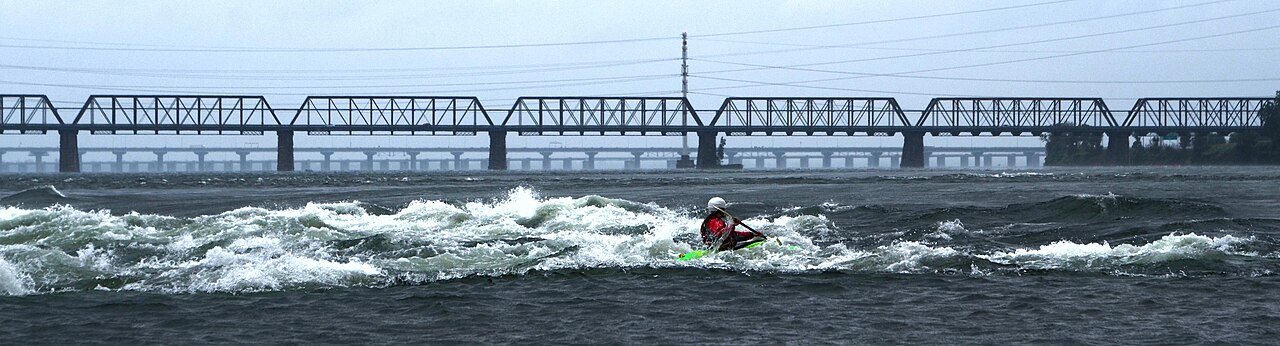
354 prefabricated boxes craned into a hillside village — the expo demonstration that became permanent housing because people refused to stop living in it.
Photo: Marc-André Desrosiers (Wikipedia Takes Montreal participant), via Wikimedia Commons (CC BY-SA 3.0).
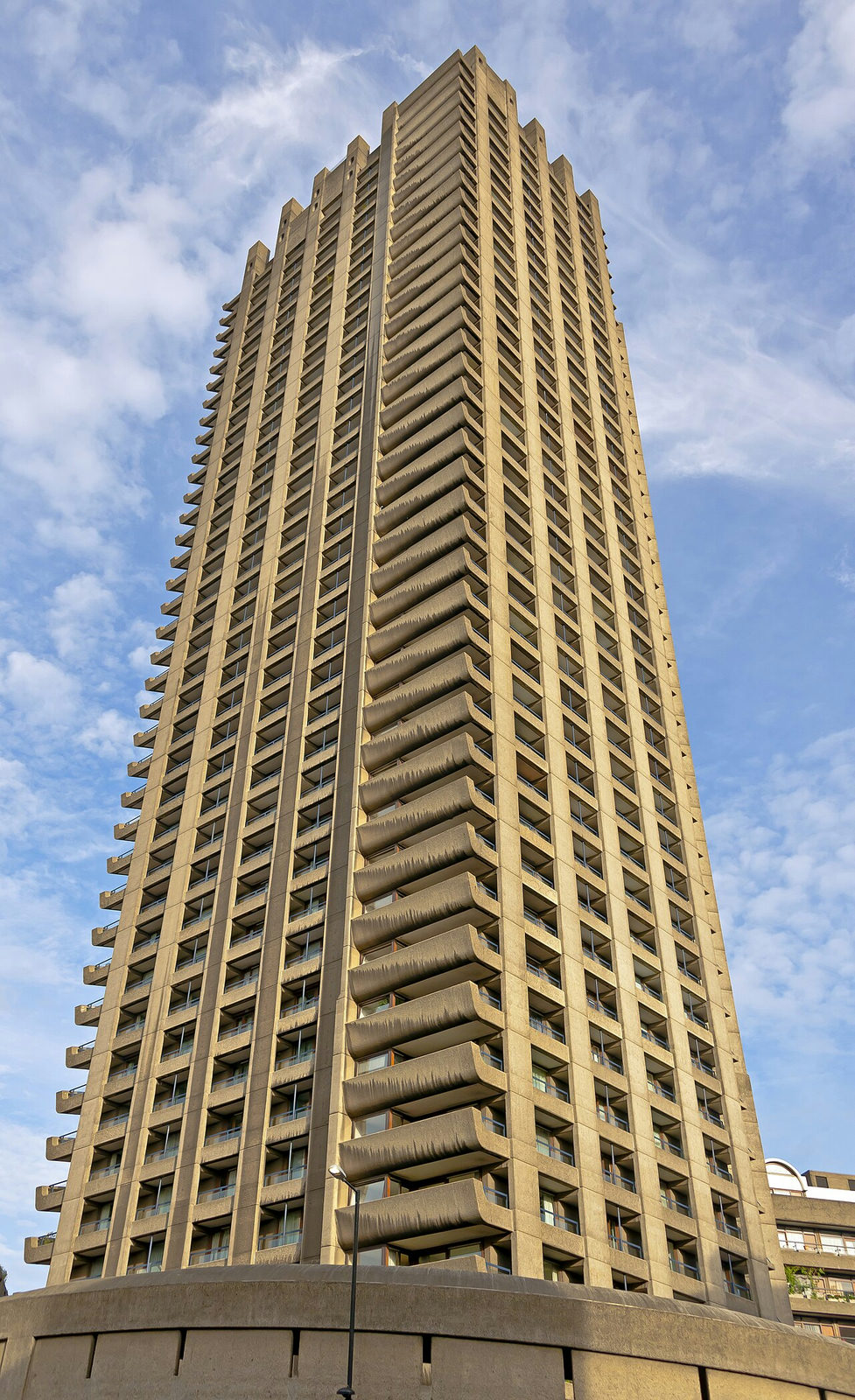
Podium gardens, a lake, three towers named for poets. A private city that took London thirty years to soften toward.
Photo: Daniel Case, via Wikimedia Commons (CC BY-SA 3.0).
Rain is the test. Glass towers just get wet; concrete changes — it darkens in streaks, holds the water line for hours, grows moss in the board-marks. A brutalist building in the rain shows you its age like a face does, and the good ones are better for it. If you want to judge one fairly, refuse the sunny postcard. Go in November.
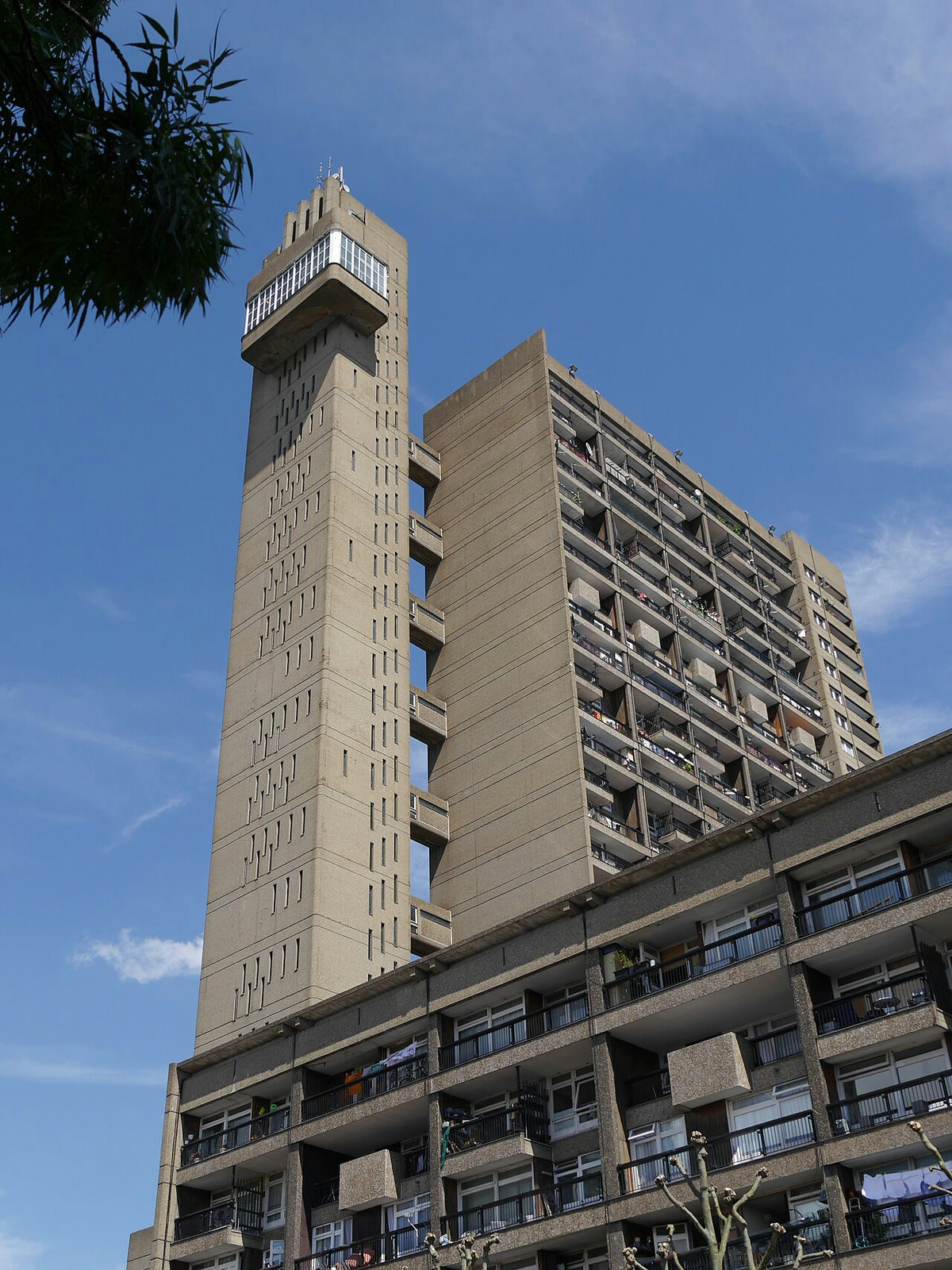
The service tower stands apart and bridges back every third floor; the gaps between are the whole composition.
Photo: Edwardx, via Wikimedia Commons (CC BY-SA 3.0).
Every few years someone proposes tearing it down, and every few years the argument for it gets stronger. The inverted ziggurat holds.
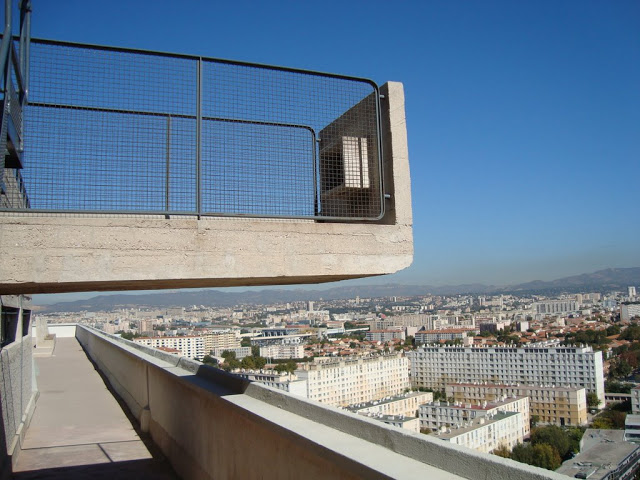
Eighteen floors on pilotis with a shopping street halfway up — the block that convinced everyone else to try.
Photo: Anapuig, via Wikimedia Commons (CC BY-SA 3.0).
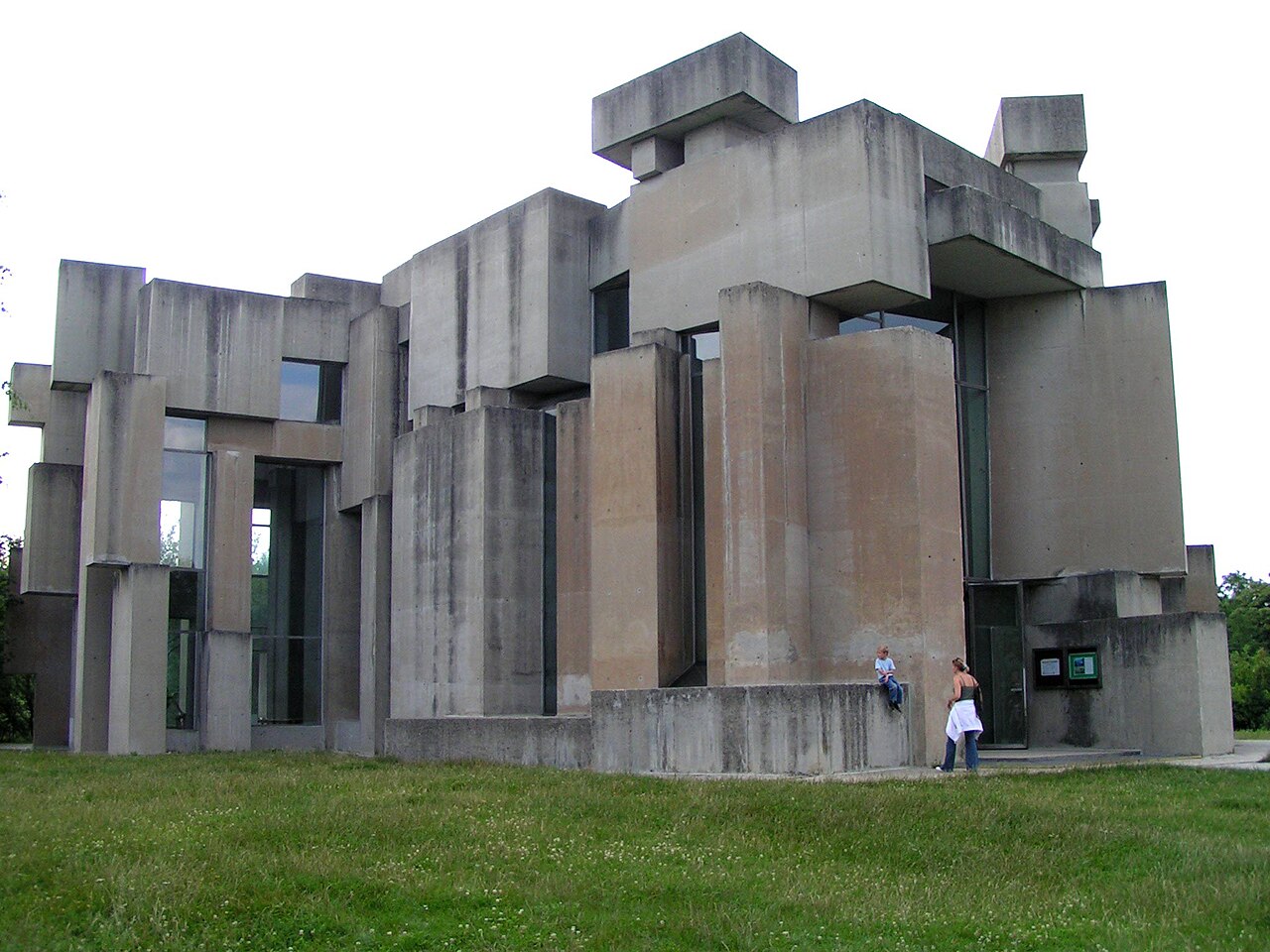
Wotruba stacked the blocks as sculpture first and let the light find its way through the seams.
Photo: Fritz Wotruba (building)Ninanuri (photo), via Wikimedia Commons (CC BY-SA 3.0).
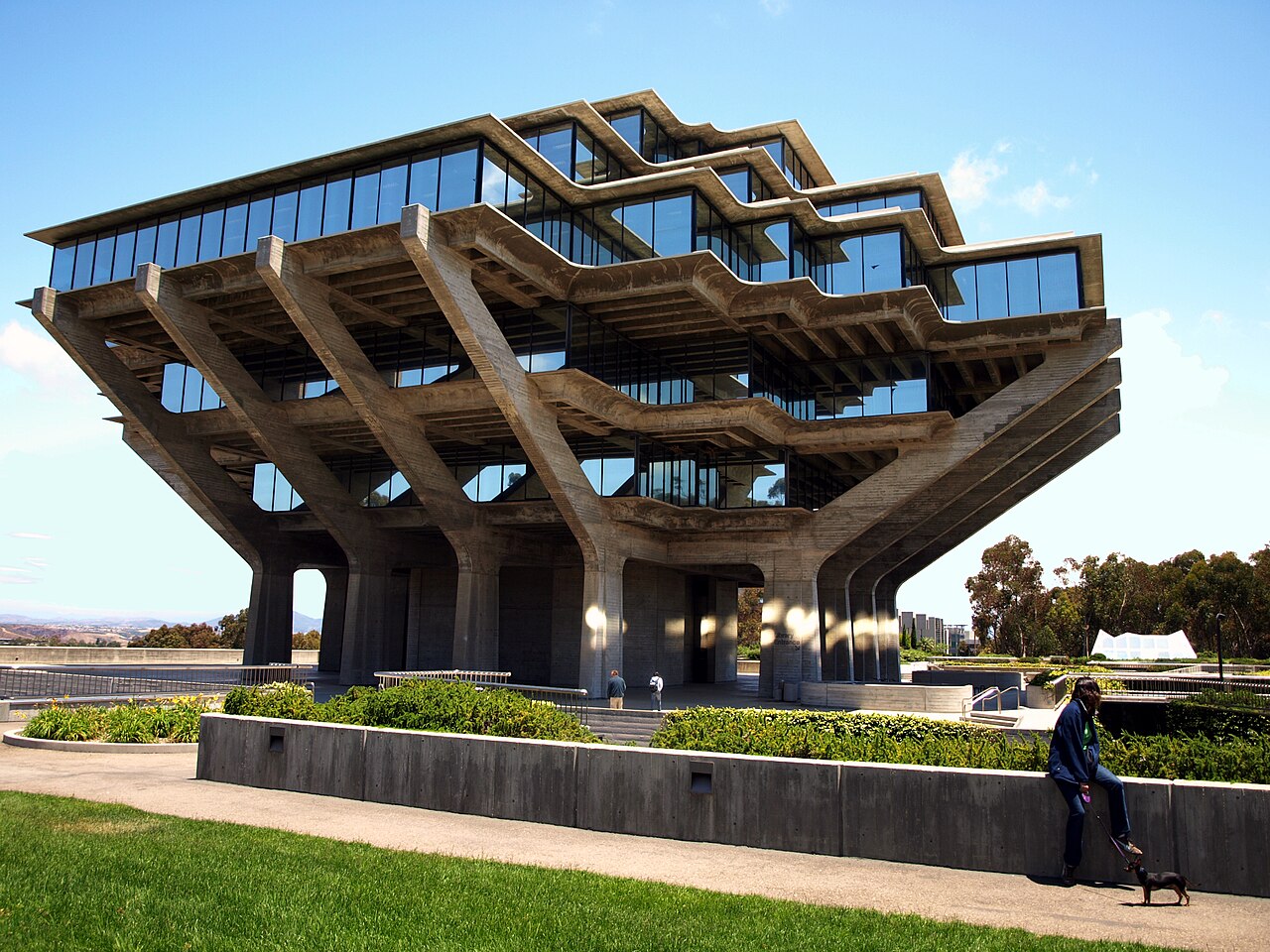
Pure structural theater: the concrete arms are doing exactly what they look like they're doing.
Photo: Ben Lunsford, via Wikimedia Commons (CC BY-SA 3.0).
The term everyone reaches for and half of us misuse — it names the formwork's honesty, not the style's mood.
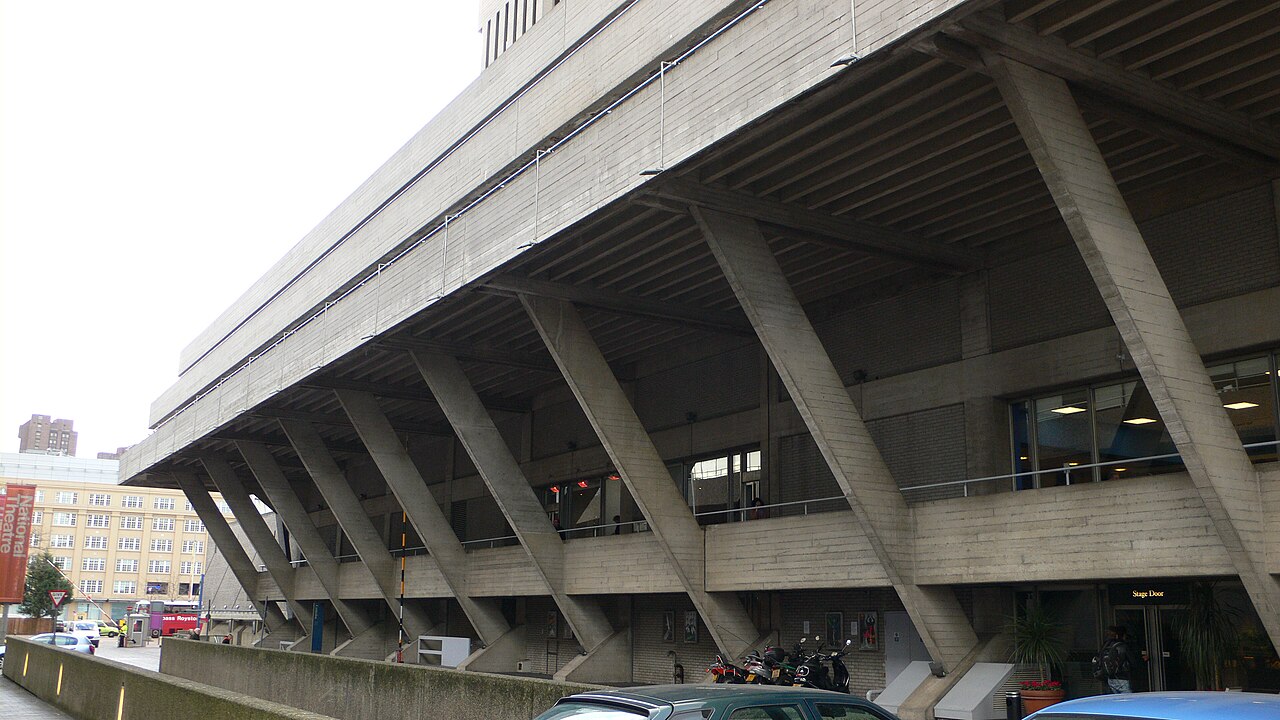
Terraces stepping down to the river, board-marked inside and out — geology you can buy a ticket into.
Photo: unknown, via Wikimedia Commons (CC BY-SA 2.0).